Blog
Stories, products, customer cases, and team culture from AIVEX, gathered in one place.

The Heart of Deep Learning Vision Inspection: Building a Platform Environment Where Vision Engineers Can Focus Solely on the Model
AIVEX’s Vision Platform Group built a platform architecture that separates complex hardware control from software logic, enabling vision engineers to focus on deep learning models and inspection logic rather than infrastructure or hardware control code. By separating hardware and algorithms and introducing declarative inspection scenarios and fault tolerance, the platform improves deployment flexibility while maintaining both high performance and system stability.
2026.09.14
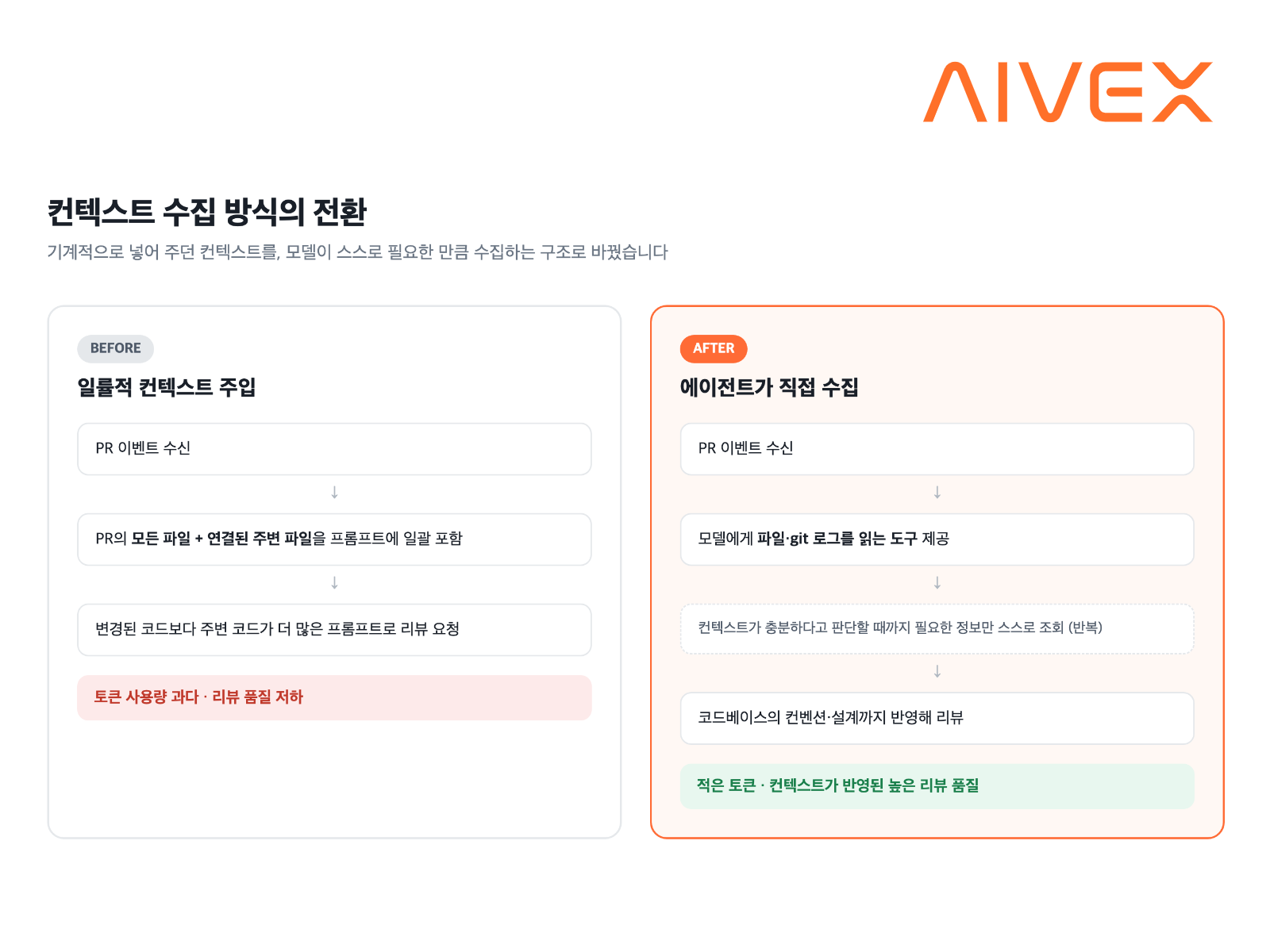
Building Prism: Our In-House AI Code Review System
Our AI Platform Team currently uses “Prism,” an in-house code review system developed to ensure the stable operation of the AIVOps platform and maintain the quality of its codebase. In this article, we will share why we decided to build Prism, how the system was developed, and how we are using it today.
2026.09.10

🐍 [AIVEX Life] Even Physical AI needs “fuel” too! AIVEX’s full-Battery recharge feast at Yeongdong Eel 🔋🔥
Stress all quarter long! First, let’s get together! Eat first, think later!
2026.09.10

⚽ [AIVEX Life] Changing the world with code, now united through soccer! A surprise visit to AIVEX’s World Cup group viewing on site
Korea! Fighting! AIVEX! Fighting!
2026.09.10

Are You Still Opening Folders on the Inspection PC to Check False Positives and False Negatives?
When we receive a request to reduce the false positive rate or a notification that a false negative has occurred, the usual response is to connect to the inspection PC on site, open File Explorer, and start looking for the relevant images. But across multiple production lines, this was one of the bottlenecks we encountered repeatedly. Finding images one by one and then querying the database again to reconstruct the inspection history for each image took a significant amount of time every time. In the process, the data would gradually become disconnected or inconsistent.
2026.09.08
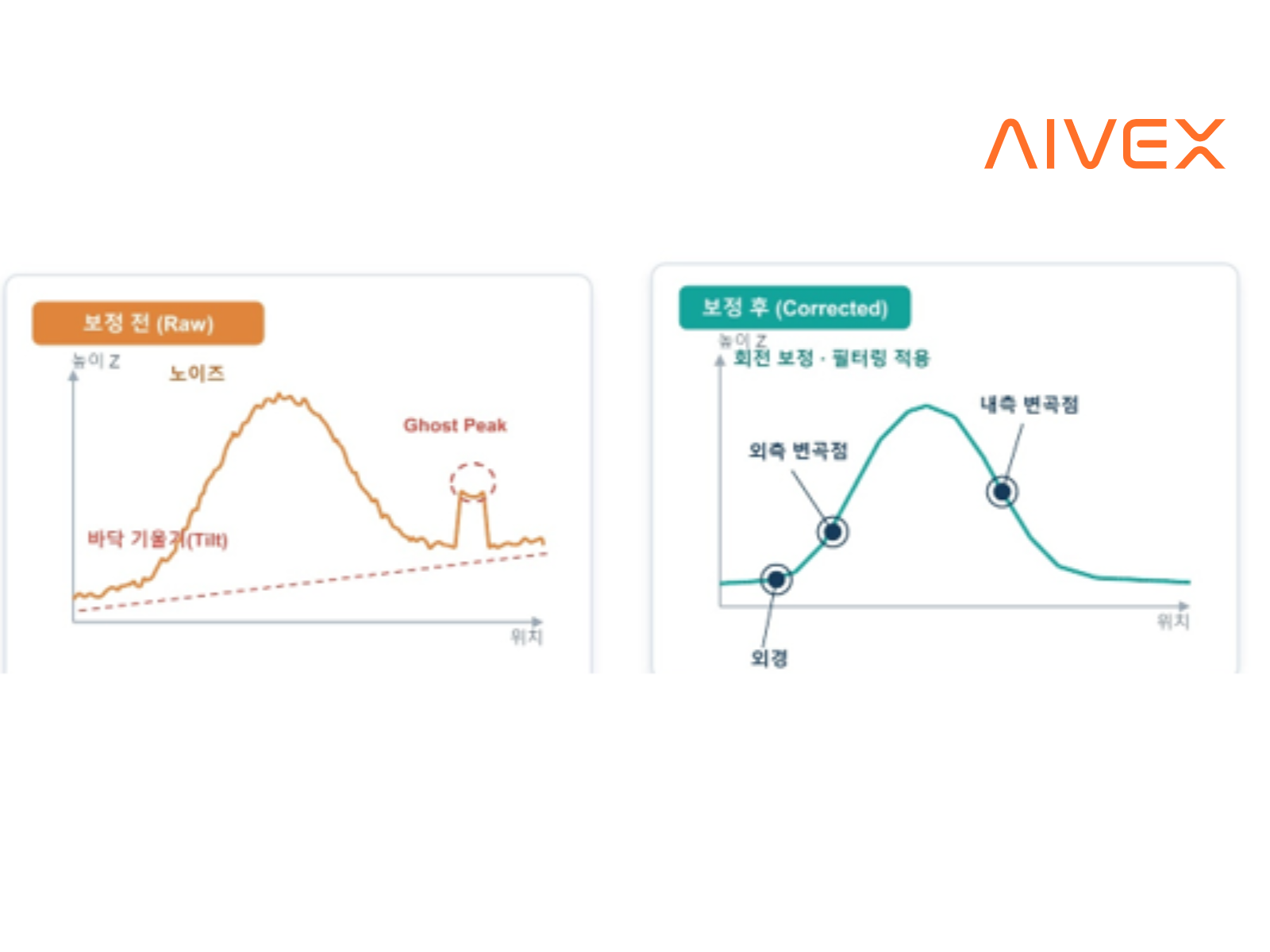
[AI Inspection: Challenges in the Field (6)] The Problem of Manually Aligning the Optical System Whenever the Product Variant Changes
The previous five parts focused on models and data. This article goes one step further upstream. No matter how good the model is, inspection performance will suffer if the imaging position changes every time.
2026.09.03
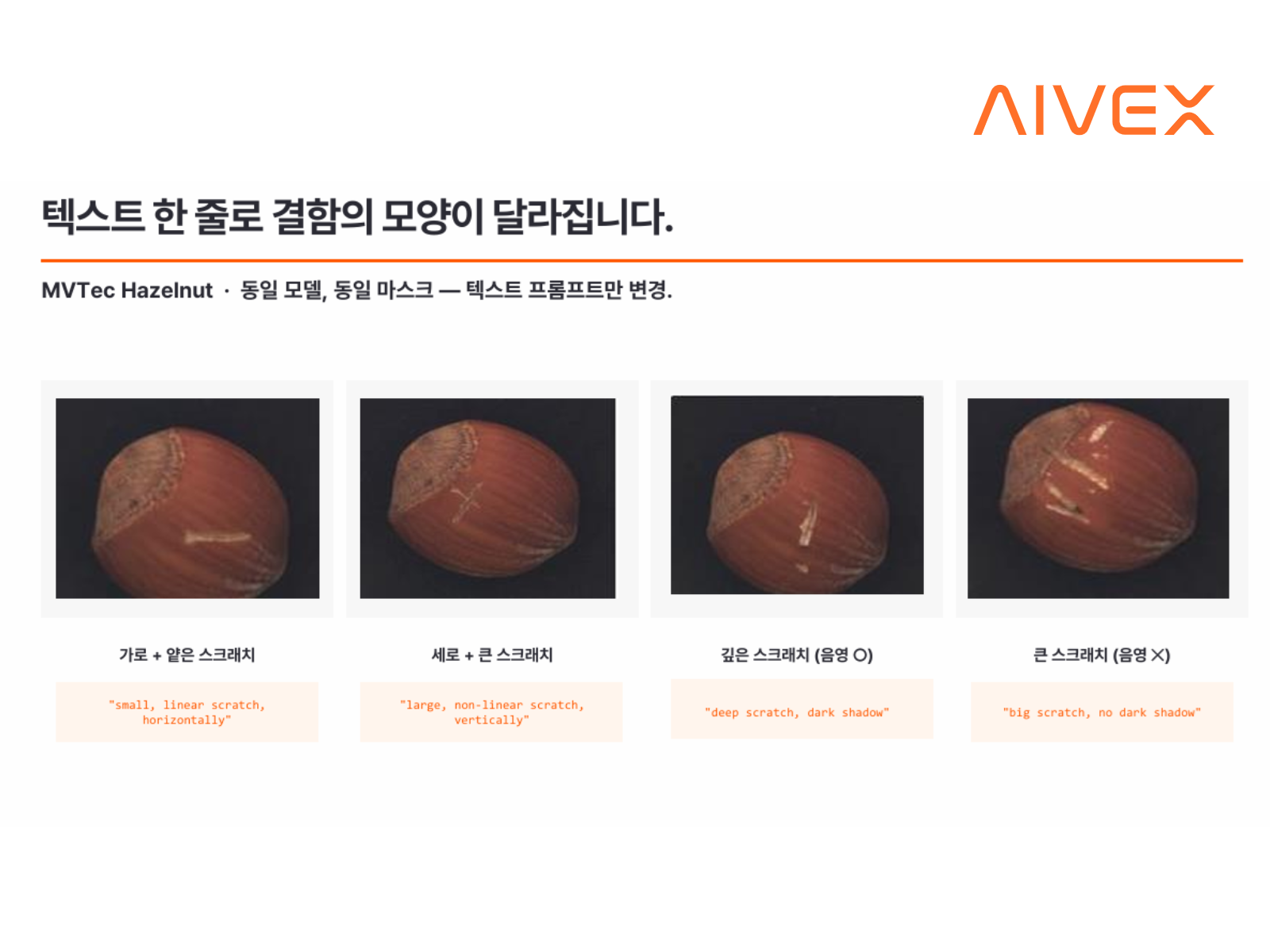
[AI Inspection: Challenges in the Field (5)] What to Consider When Generating Defect Data for Model Training
In manufacturing environments where defect data is scarce, simply cutting and pasting images or generating synthetic defects is not enough to improve real-world inspection performance. In Part 5, we explore how to generate defect data based on the physical relationship between the background and defects, and how to incorporate real-world inspection criteria and diverse generation conditions to create effective training data from just a few defect samples.
2026.09.01

How to Interpret Training Results Without a Model Expert
The need for an inspection model in a factory is never a one-time occurrence. New product lines are introduced, the types of defects that need to be detected increase, and equipment changes. Each time, someone has to review the training results and decide what to do next.
2026.08.27
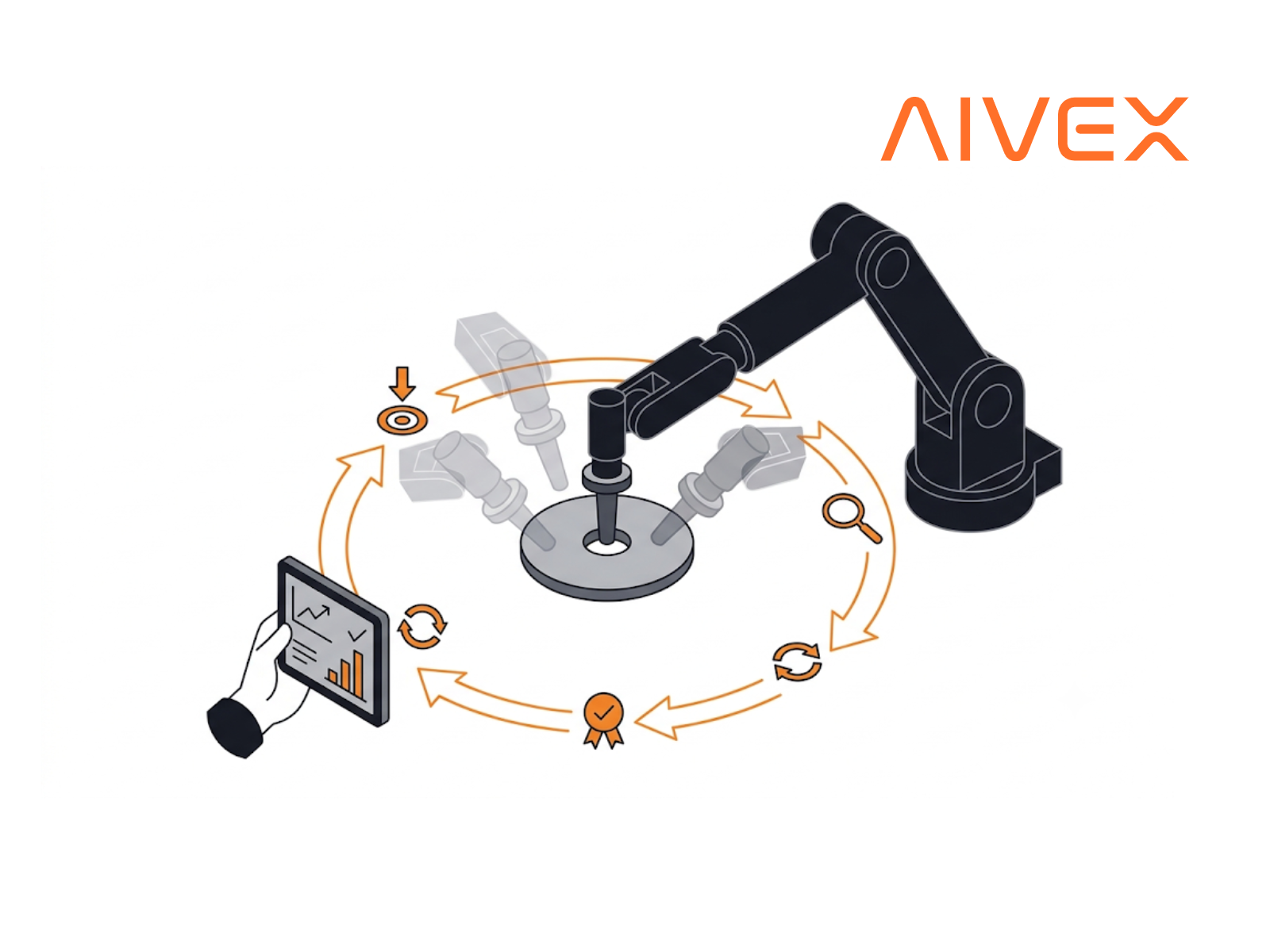
[AI Robotics Field Notes (2)] What Role Should Reinforcement Learning Play in Robots?
Reinforcement learning once looked like the algorithm that would build robot policies from start to finish. We now use it in a different role — not as the lead, but as the corrector. This post lays out why that role is the right one, and how AIVEX's AI Robotics group actually puts it to use.
2026.08.25