The Heart of Deep Learning Vision Inspection: Building a Platform Environment Where Vision Engineers Can Focus Solely on the Model
AIVEX’s Vision Platform Group built a platform architecture that separates complex hardware control from software logic, enabling vision engineers to focus on deep learning models and inspection logic rather than infrastructure or hardware control code. By separating hardware and algorithms and introducing declarative inspection scenarios and fault tolerance, the platform improves deployment flexibility while maintaining both high performance and system stability.
2026.09.14
- 技术·产品
As manufacturing continues to advance, deep learning-based vision inspection technology is evolving at a remarkable pace. AI can detect subtle defects that are difficult to identify with the human eye, increasing the reliability of manufacturing processes.
However, the reality for software engineers developing vision inspection systems is far from simple. They need to accommodate the characteristics of camera hardware deployed on the production floor, resolve synchronization issues intertwined with complex signal systems, and repeatedly rebuild and debug massive, tangled source code whenever an inspection line changes.
We set out to solve this fundamental inefficiency. AIVEX Vision Platform Group's mission was to create an environment where vision engineers can focus solely on deep learning models and inspection logic without touching infrastructure or hardware control code—not even a single line. We would like to share our journey of addressing persistent challenges in manufacturing through a pure software engineering architecture, without being constrained by domain-specific knowledge.
Separating Hardware Time from Algorithm Time
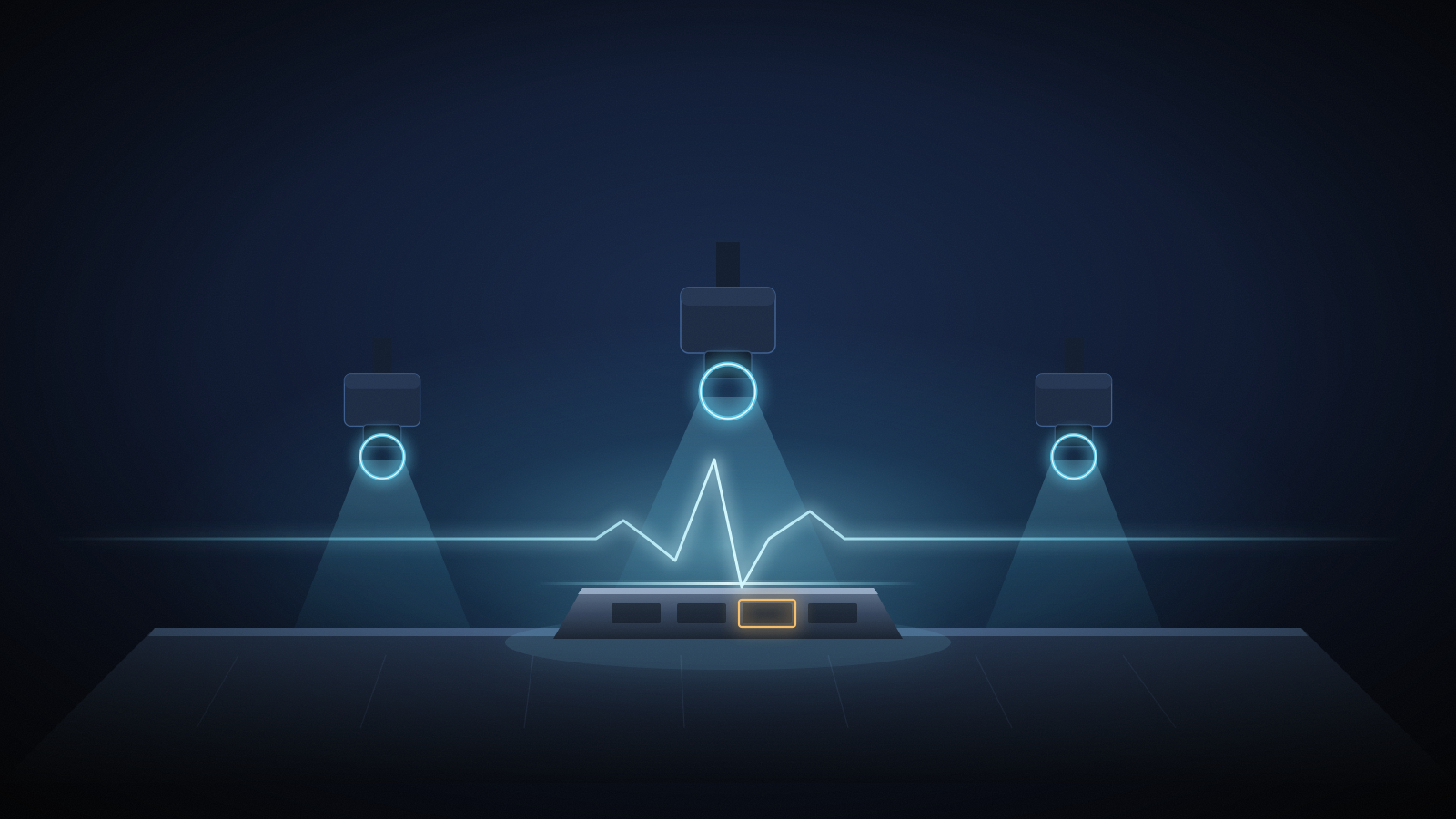
Traditional inspection software often tightly couples the hardware control layer, where cameras capture images, with the algorithm layer, where those images are analyzed. Factory PLC signals and hardware interrupts are physically intertwined with the execution cycle of the algorithms.
This tight dependency is one of the biggest obstacles to building flexible and scalable systems. Even a change in camera model or a slight adjustment to the inspection sequence can disrupt the foundation of the entire system.
The first thing our team did was design an architecture that completely isolates the hardware domain from the algorithm domain. The platform takes full responsibility for the complex infrastructure control required to acquire and assemble large volumes of images. It then captures the 'optimal moment' when all the data required by the algorithm engineer is fully prepared and triggers the algorithm pipeline.
Once this boundary became clearly defined, vision engineers no longer needed to worry about when the hardware would deliver images or how to handle thread-safe synchronization. Instead, we created a structure in which they simply receive the data precisely delivered by the platform and focus on implementing the business logic.
A Flexible Component Architecture Based on Declarative Scenarios
In modern manufacturing environments, where high-mix, low-volume production has become increasingly common, inspection scenarios change frequently. For example, depending on the result of a first-stage inspection, the system may need to determine whether to proceed with a second-stage deep learning inference, while new inspection rules must also be added flexibly.
To address this, our platform introduced a declarative inspection scenario (Recipe) system.
Now, even when a new process is added, there is no need to go through the risky process of rebuilding and redeploying the entire software system. Each inspection stage functions as a completely independent component, while the platform safely and flexibly combines and runs the components required at runtime according to predefined scenario rules.
Dynamic branching based on the results of previous inspection stages, as well as calls to inference modules for large models, can also flow seamlessly on top of the stable framework provided by the platform. As a result, we have been able to dramatically shorten on-site response and deployment processes that previously took several days.
Ensuring Stability in High-Performance Computing Environments (Fault Tolerance)
A factory production line is a place where every second directly translates into money. If an exception or crash in a specific inspection module brings down the entire inspection system process, the resulting losses can be enormous.
In a high-performance computing-based platform environment running as a single process, we needed to achieve both performance and stability. We minimized data transfer overhead between modules while also establishing mechanisms to safely manage the lifecycle of individual algorithm components at the platform level.
Even if an exception occurs in a specific inspection logic written by a vision engineer, the platform safely isolates and bypasses the failure through fault tolerance, fundamentally preventing major incidents that could bring the entire manufacturing process to a standstill.
The Changes Brought by the Platform, and the Journey Ahead
As the platform became established on the production floor, positive changes began to take place within our organization.
Maximizing the DX (Developer Experience) of Vision Engineers: Infrastructure boilerplate code has been eliminated, allowing engineers to focus entirely on the essential work of improving model performance and inspection accuracy.
Reduced Collaboration Costs: Hardware and algorithm teams can collaborate independently and rapidly through the interfaces defined by the platform, without needing to examine or modify each other's implementation code.
In Korea's vision inspection equipment and manufacturing software industries, there are still many cases where teams remain focused on implementing immediate features rather than advancing their underlying architecture. AIVEX, however, is changing the paradigm of this domain through a pure software engineering approach and architectural design. Even without deep expertise in manufacturing or hardware, engineers with the ability to design high-performance distributed systems and scalable frameworks can position themselves at the center of major manufacturing innovation.
*Related posts from Vision Platform Group:
Why AIVEX Chose Hybrid Computing
Are You Still Opening Folders on the Inspection PC to Check False Positives and False Negatives?